

Humboldt County
Fortuna council sets closed session on police chief employment
The City Council will meet Oct. 5 for a closed-session discussion under California law, followed by a public report-out.
The Sidekick about 17 hours ago

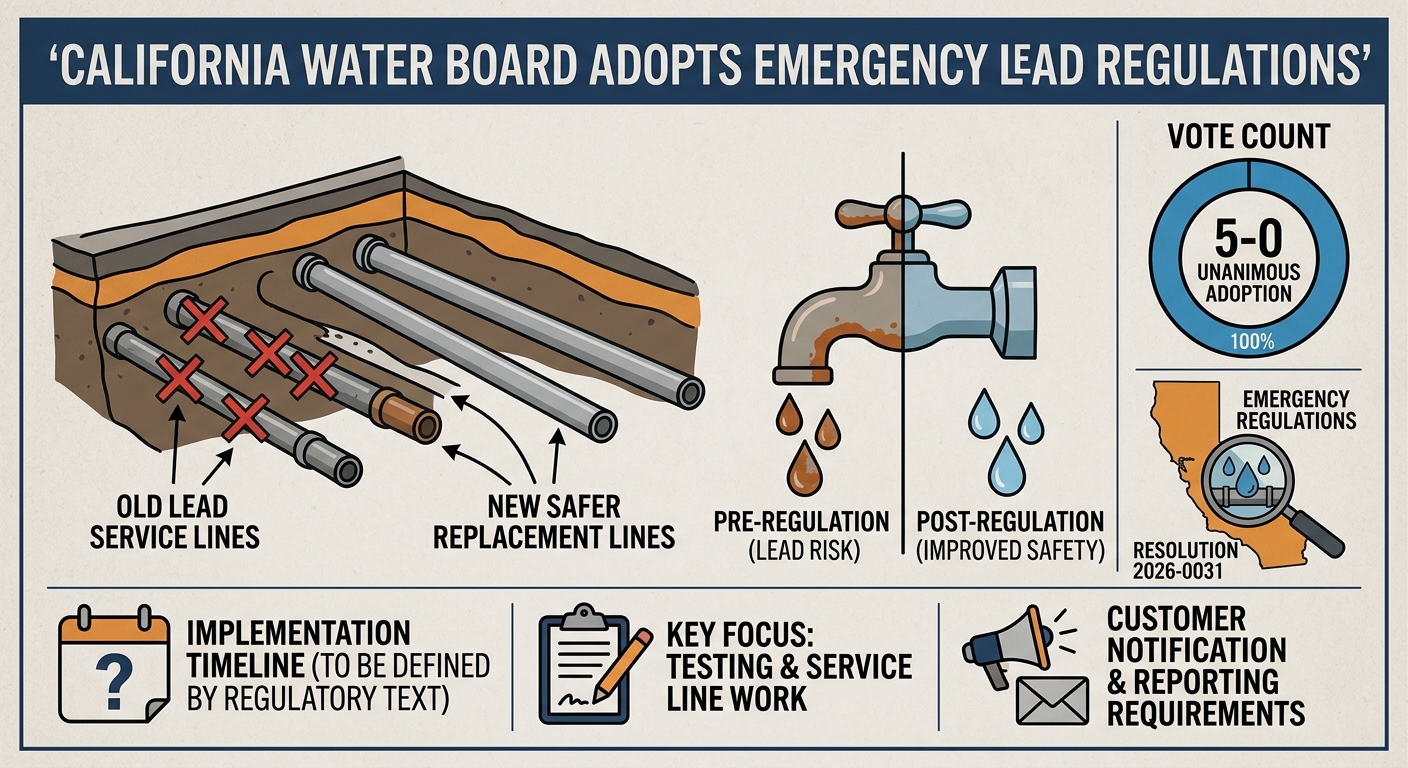
The board voted 5-0 on Aug. 19 to adopt emergency regulations for Lead and Copper Rule Improvements, but the meeting minutes do not state when they take effect or what utilities must do.
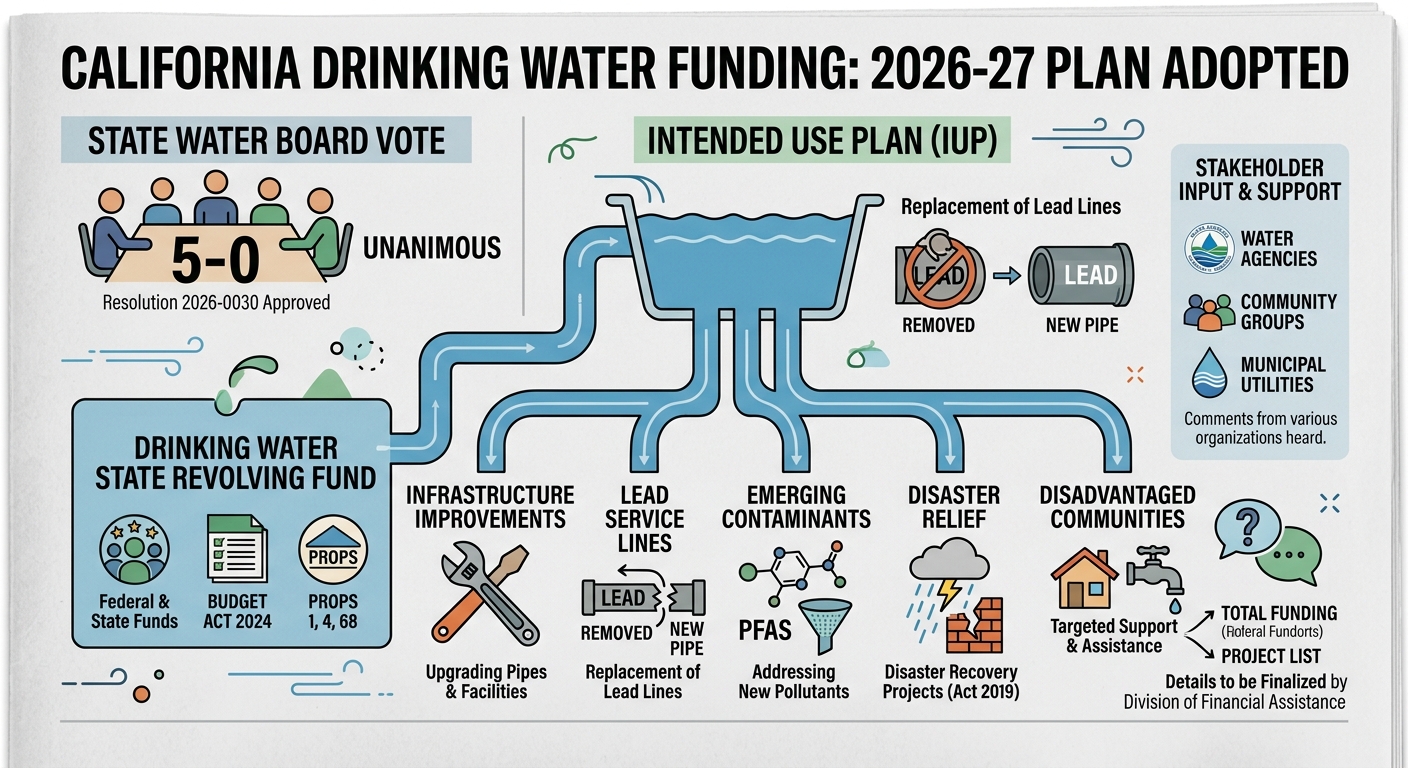
The 5–0 vote covers funding guidelines and supplemental plans for emerging contaminants, lead-service-line replacement and disaster relief, but the meeting minutes do not list a dollar total or recipients.
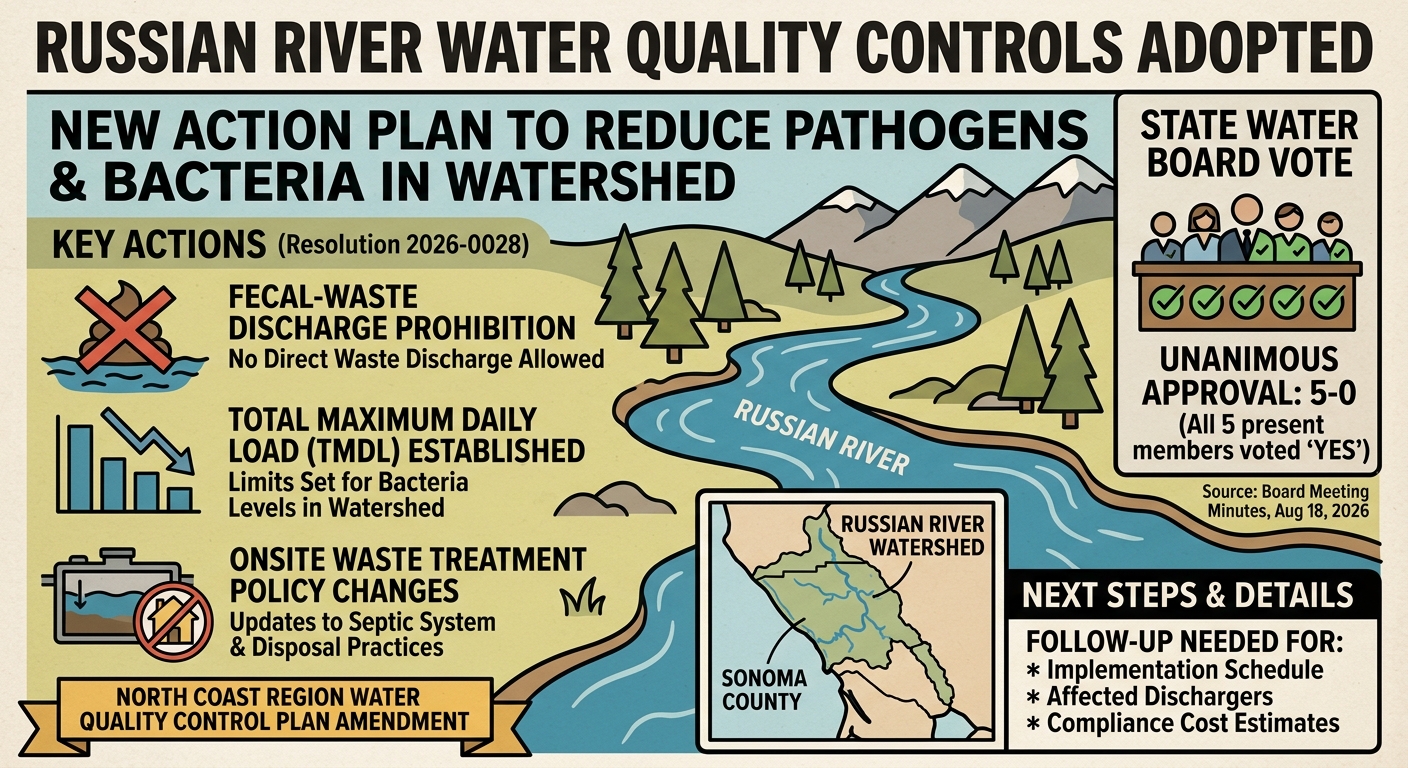
The board unanimously approved an amendment adding a pathogen action plan, fecal-waste prohibition and bacteria limit while removing a watershed-specific onsite-waste policy.
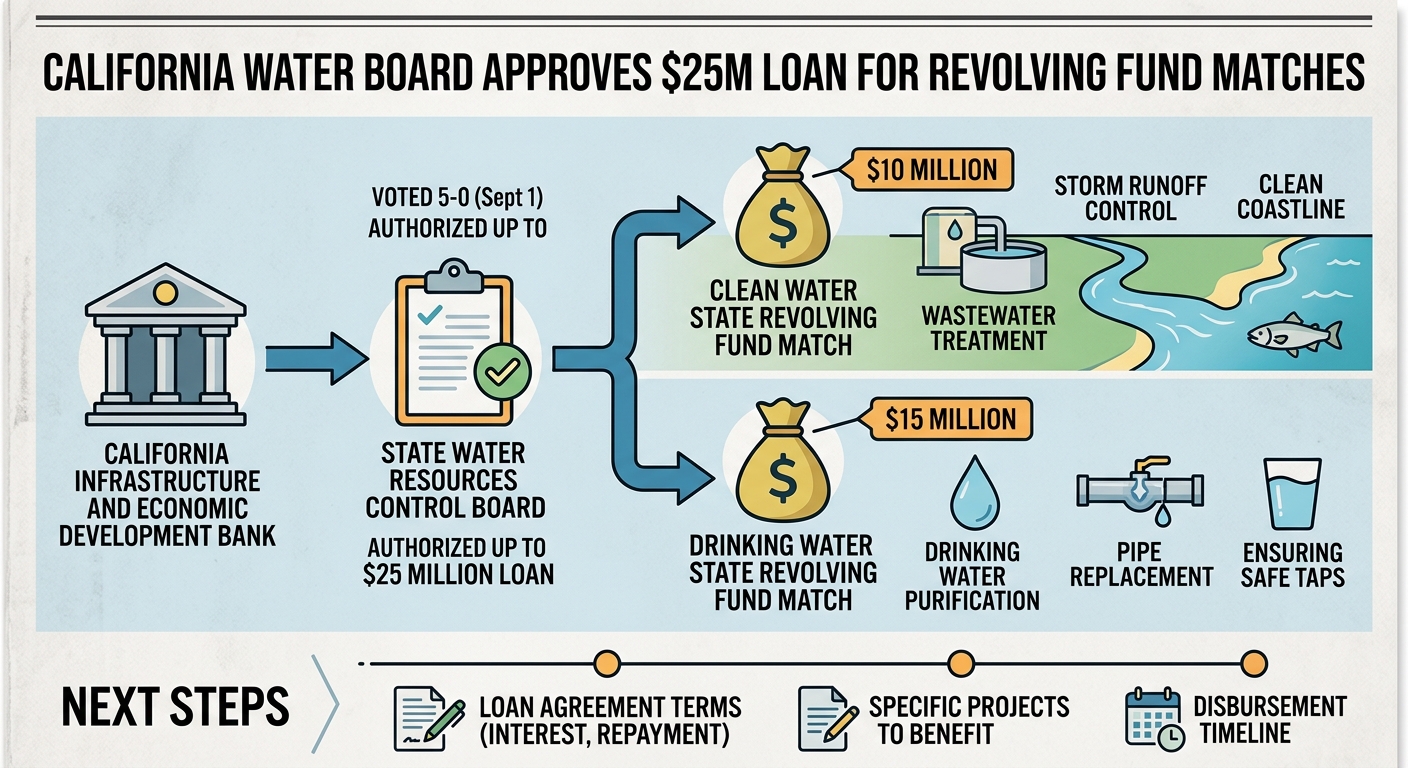
The 5-0 action sets borrowing capacity for clean-water and drinking-water programs, but the public minutes do not identify projects or loan terms.
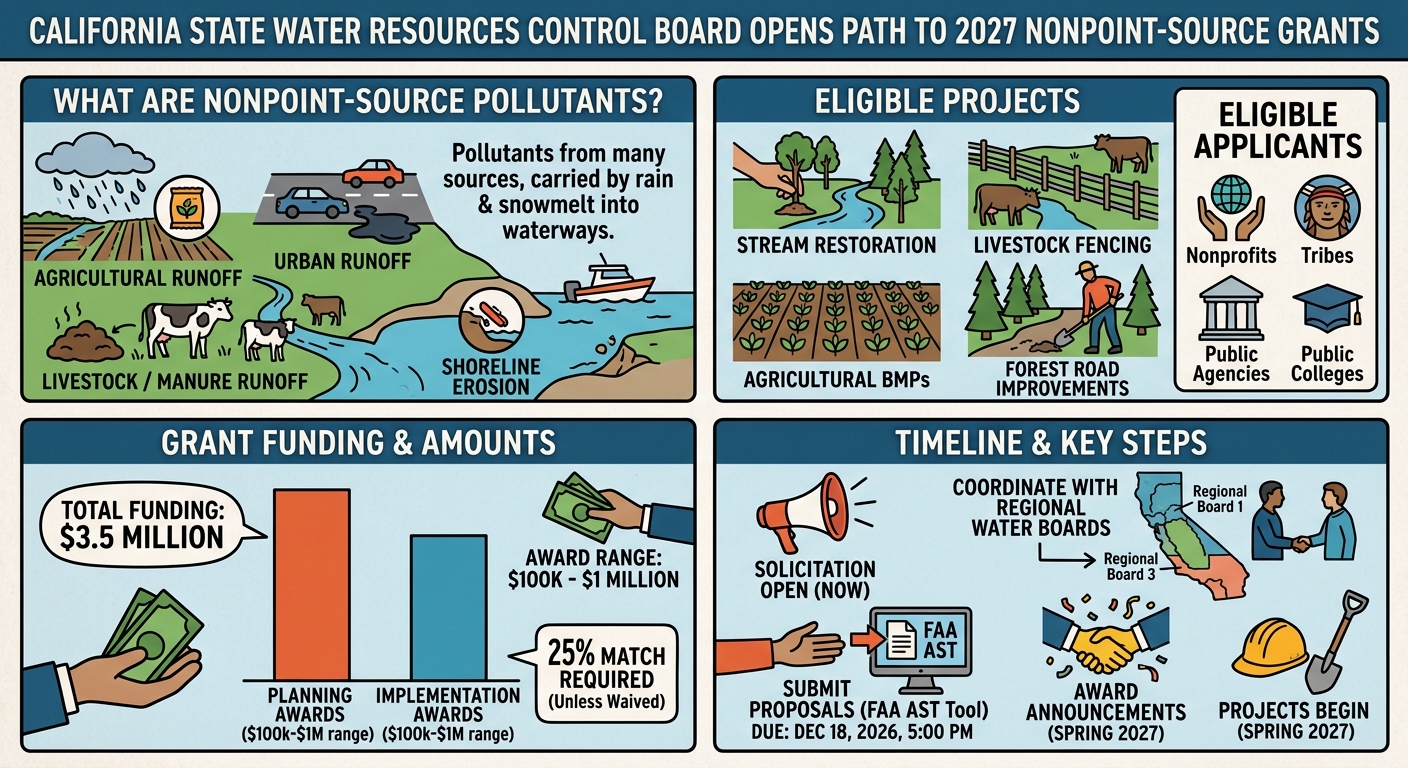
The State Water Board adopted program guidelines and authorized a new solicitation for projects that reduce runoff and other nonpoint-source pollution.
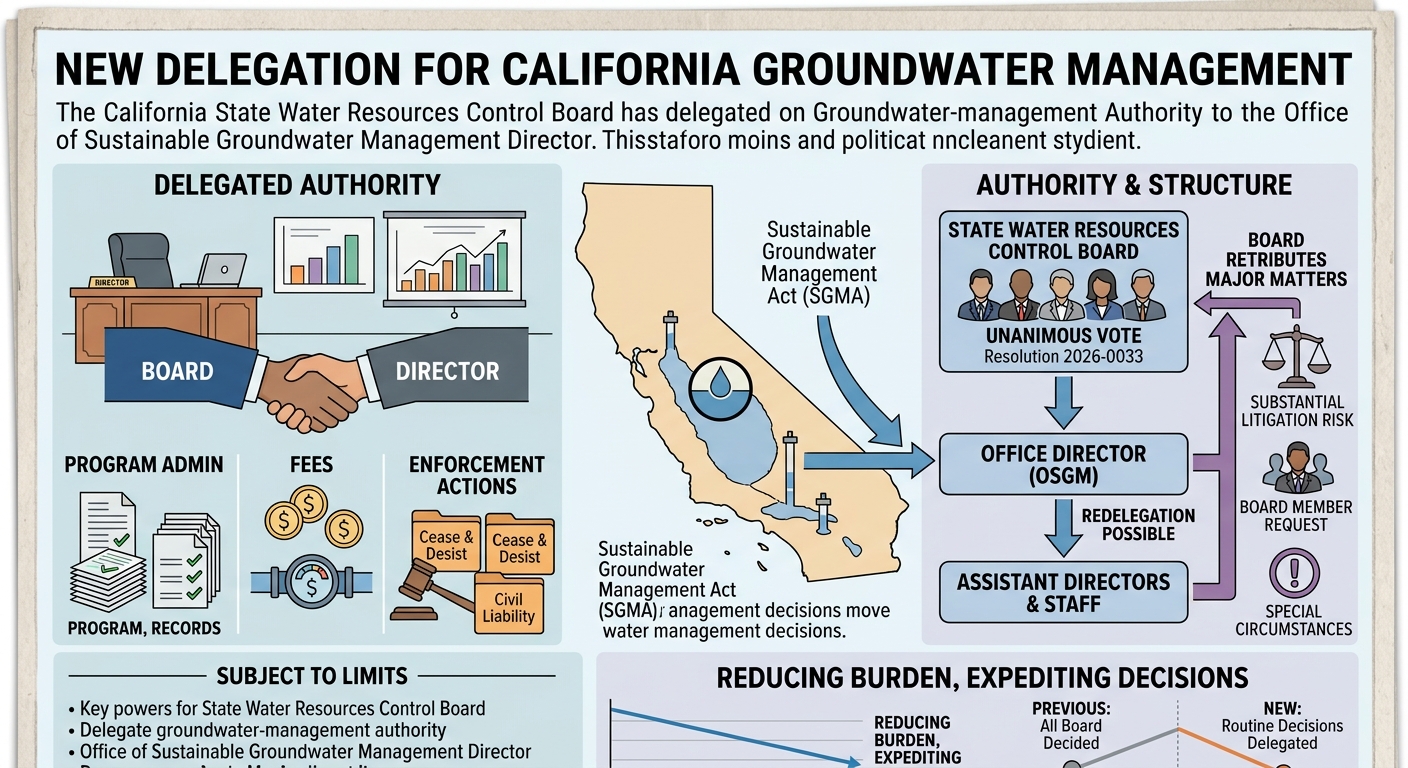
The State Water Resources Control Board approved Resolution 2026-0033 in a unanimous vote Sept. 1, shifting specified administrative and enforcement responsibilities to the director of its groundwater-management office.
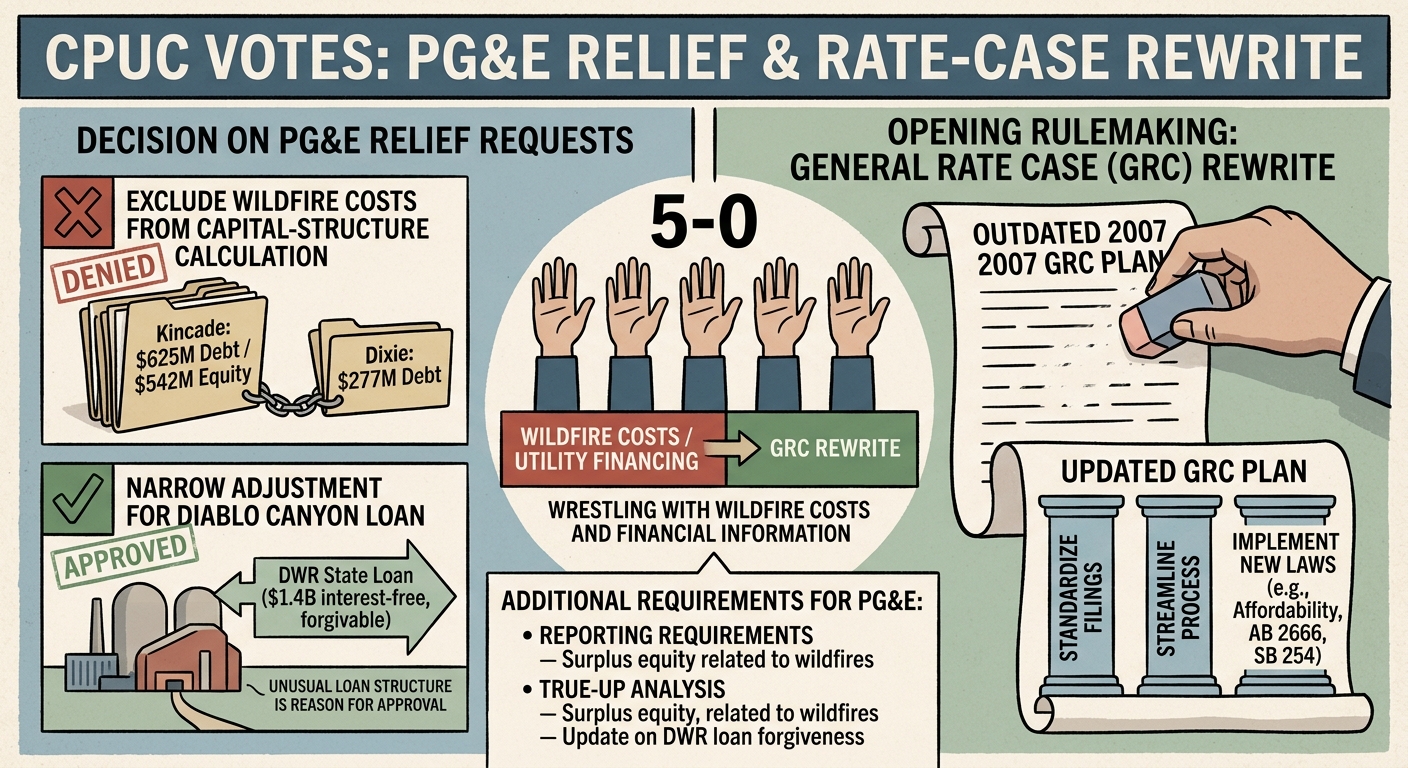
The commission voted 5-0 to grant PG&E a narrow capital-structure exemption tied to a DWR loan for Diablo Canyon costs and separately launched a rulemaking to revise utility general rate-case rules for the first time since 2007.
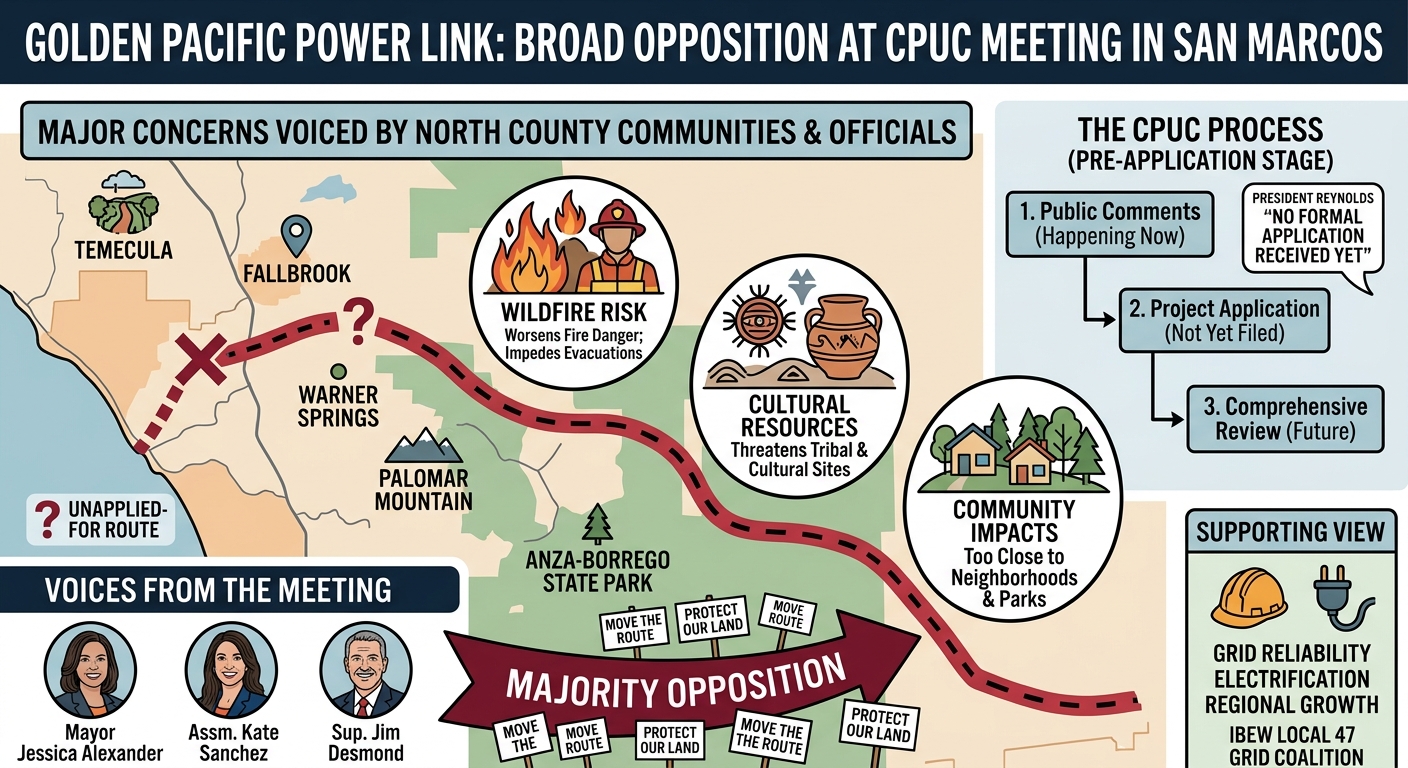
At the commission’s Sept. 17 voting meeting, local officials and residents pressed for more detail and an alternate route as CPUC said the project was still pre-application.
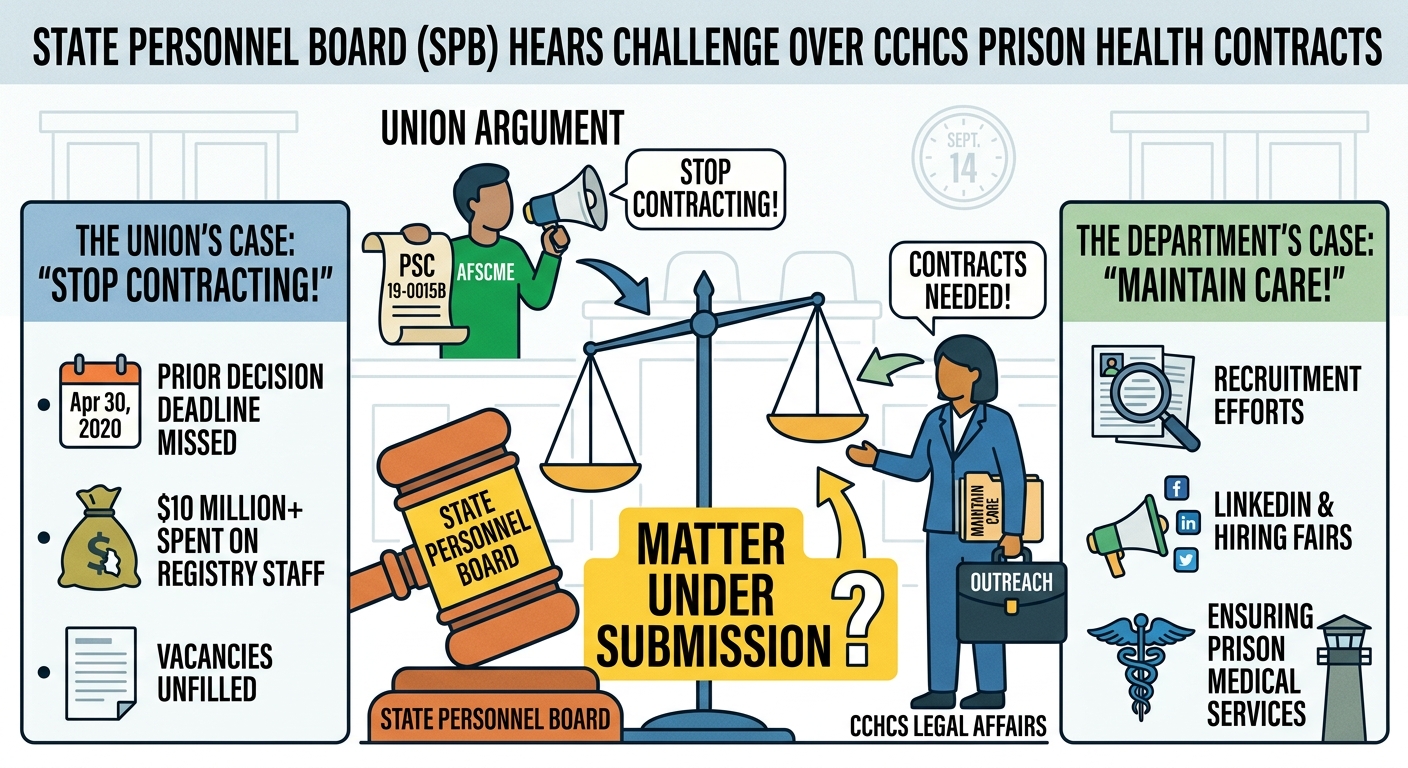
The State Personnel Board heard a union appeal alleging California Correctional Health Care Services kept relying on contractors for prison pharmacy and allied health work despite an earlier board order.
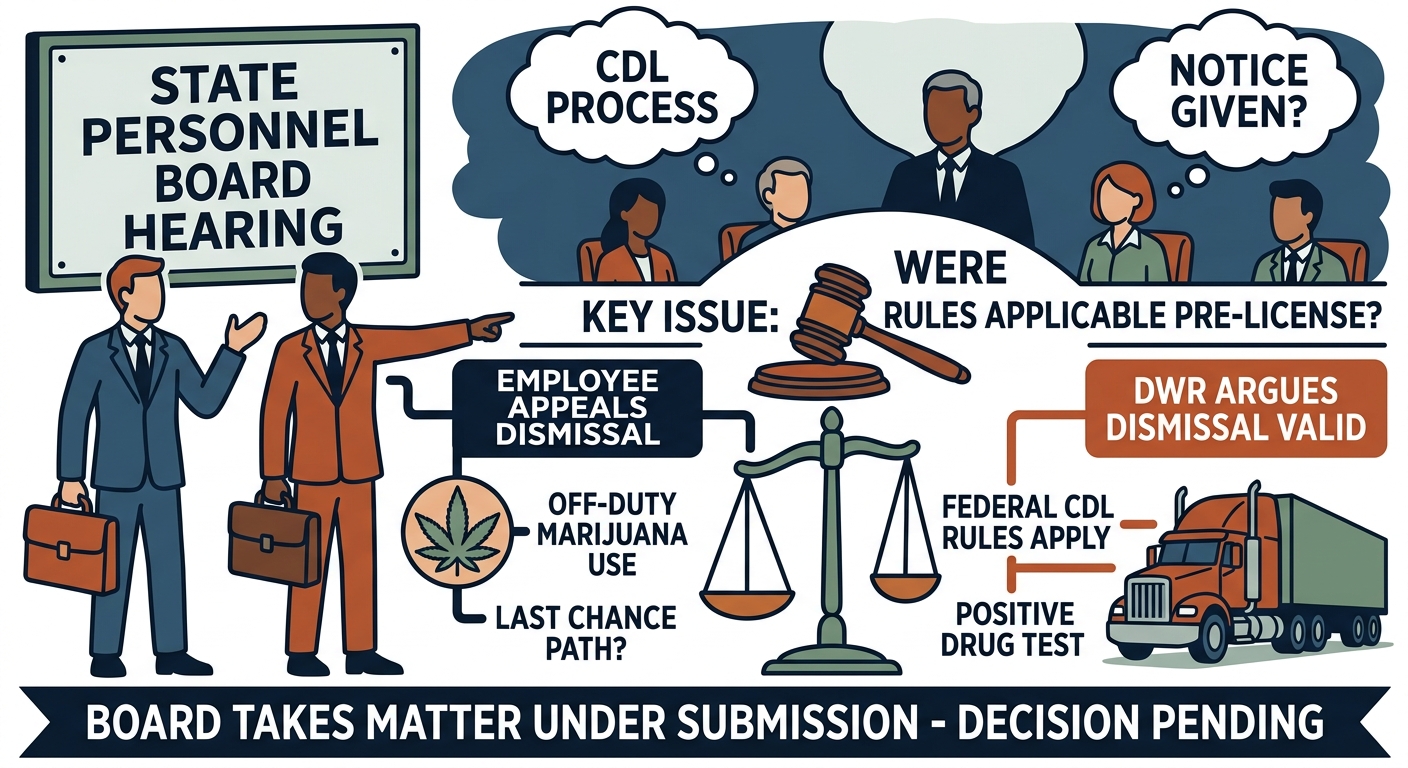
The board heard arguments over whether a positive marijuana test during the CDL process justified firing Jackson Lund before he obtained a Class A license or entered safety-sensitive work.
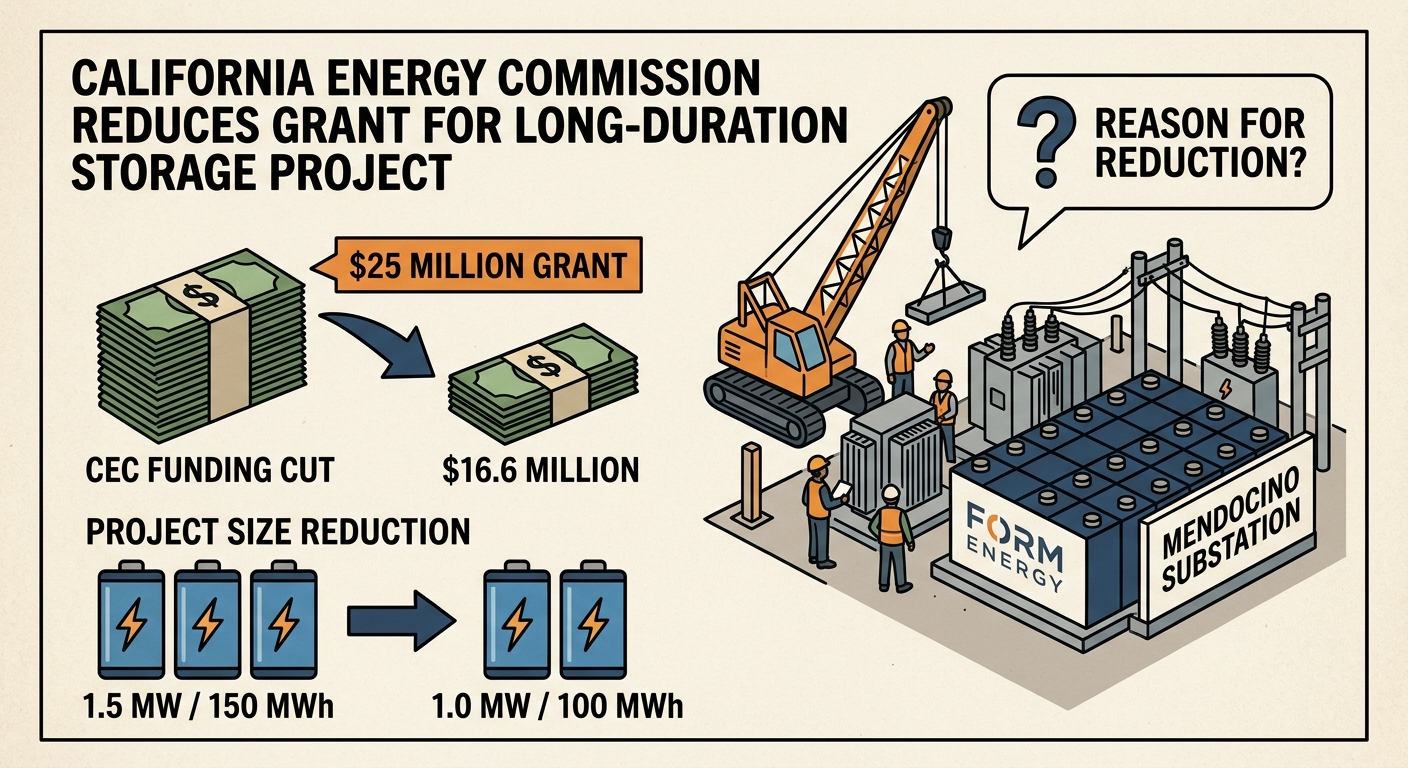
A Sept. 9 commission packet shows the agency poised to trim funding for a Mendocino Substation long-duration storage demo and reduce the project’s planned size.
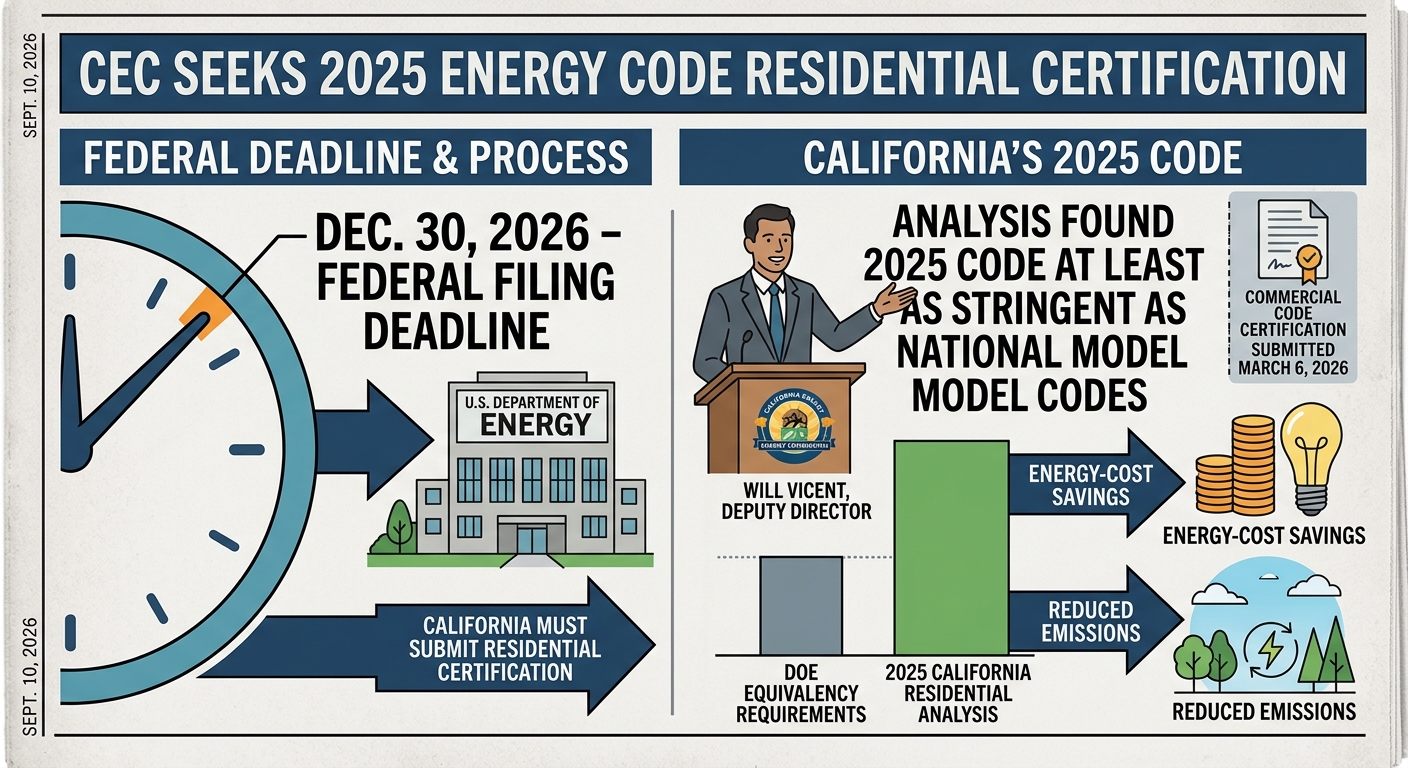
At its Sept. 9 business meeting, staff asked commissioners to approve residential state certification tied to the 2025 Energy Code and a Dec. 30, 2026 federal filing deadline.
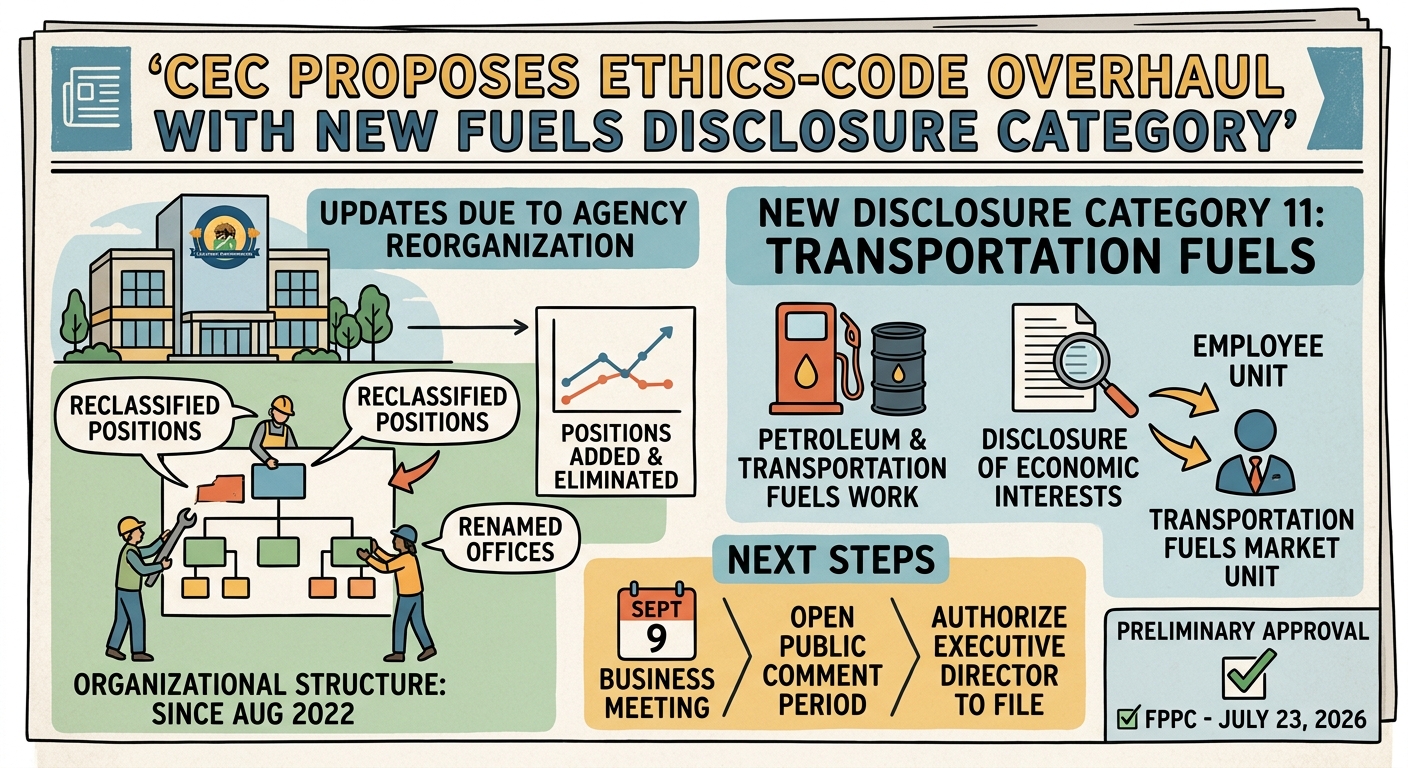
The California Energy Commission is moving to update its conflict-of-interest code to reflect agency reorganizations and add a new disclosure category for petroleum and transportation fuels work.
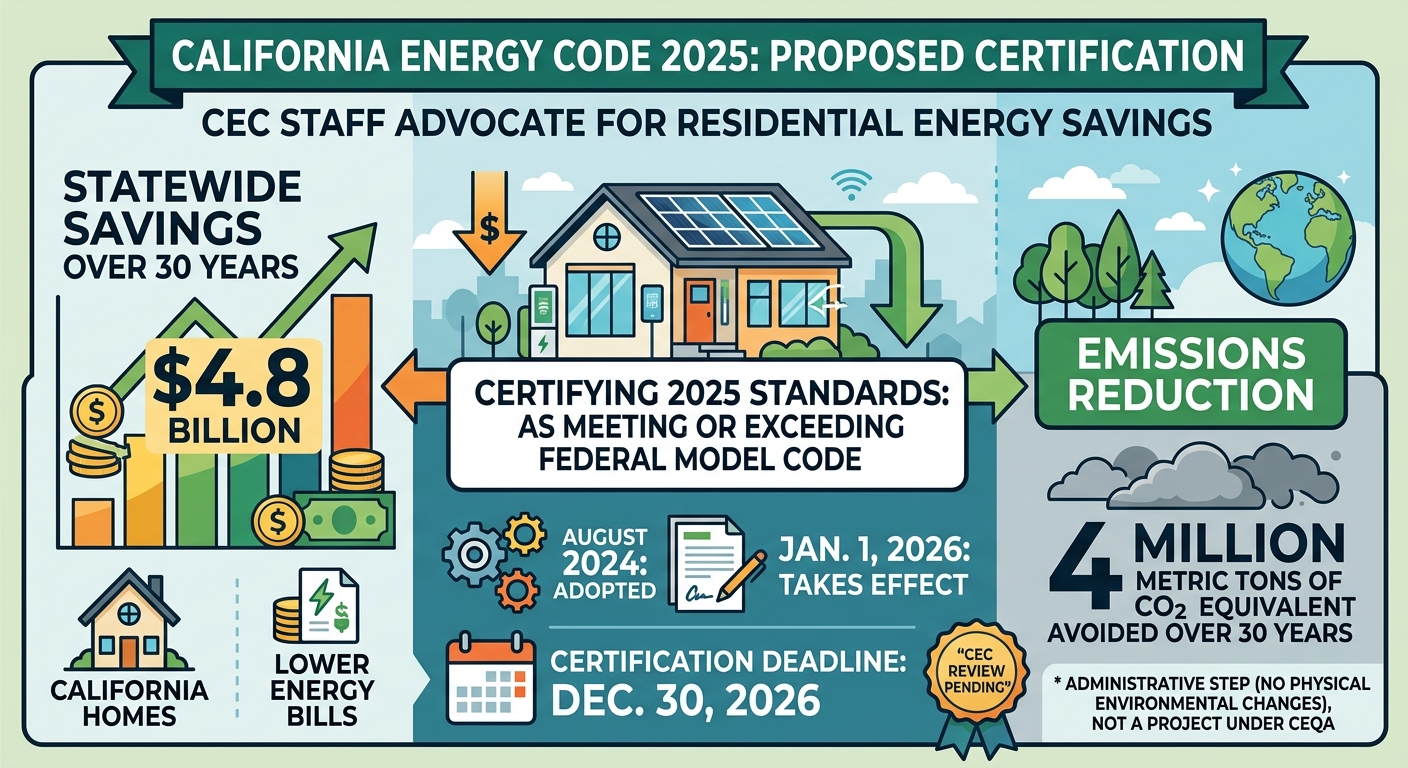
Business meeting materials say the code would meet federal residential standards and deliver large statewide energy and emissions savings over 30 years.
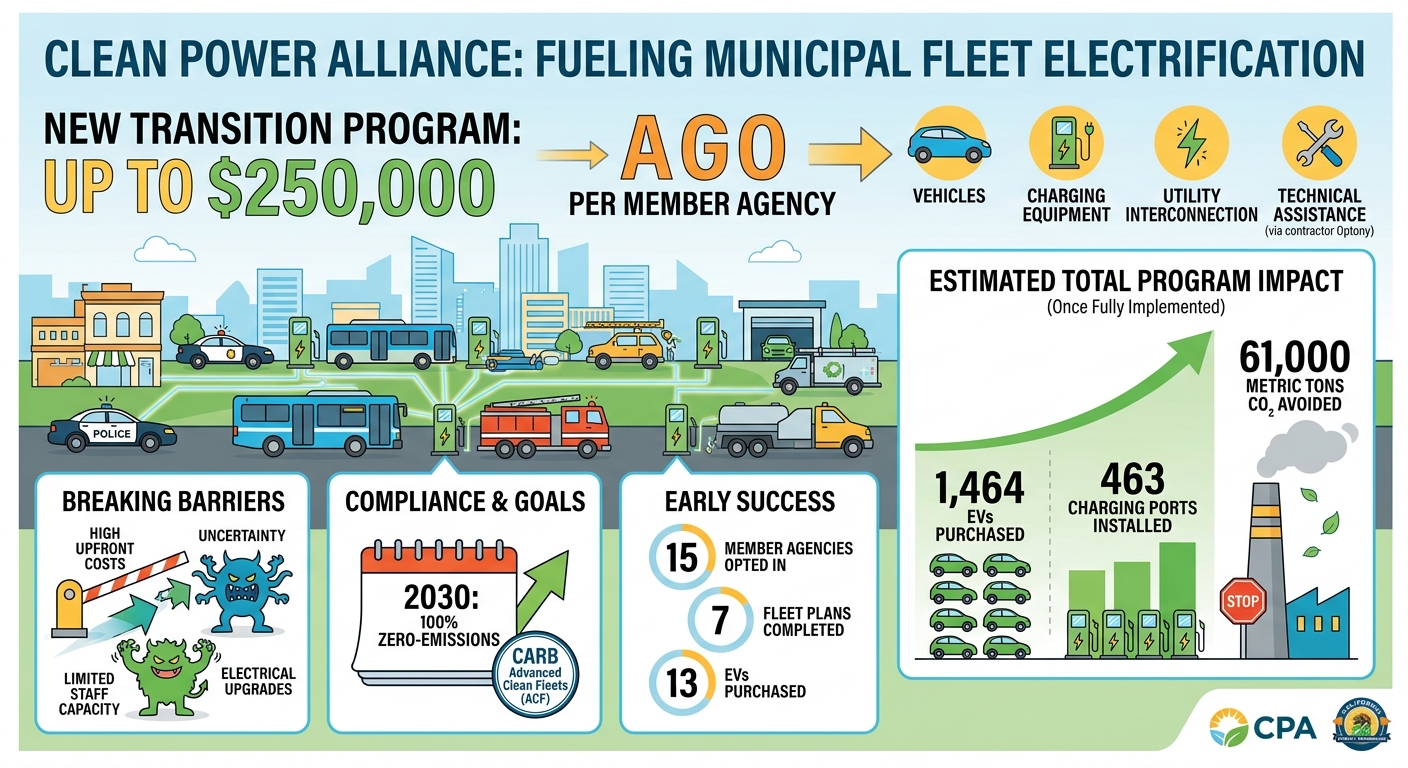
CPA says its new Electric Fleet Transition Program can help member agencies cover vehicles, charging equipment, interconnection and technical assistance as local governments work toward fleet electrification.
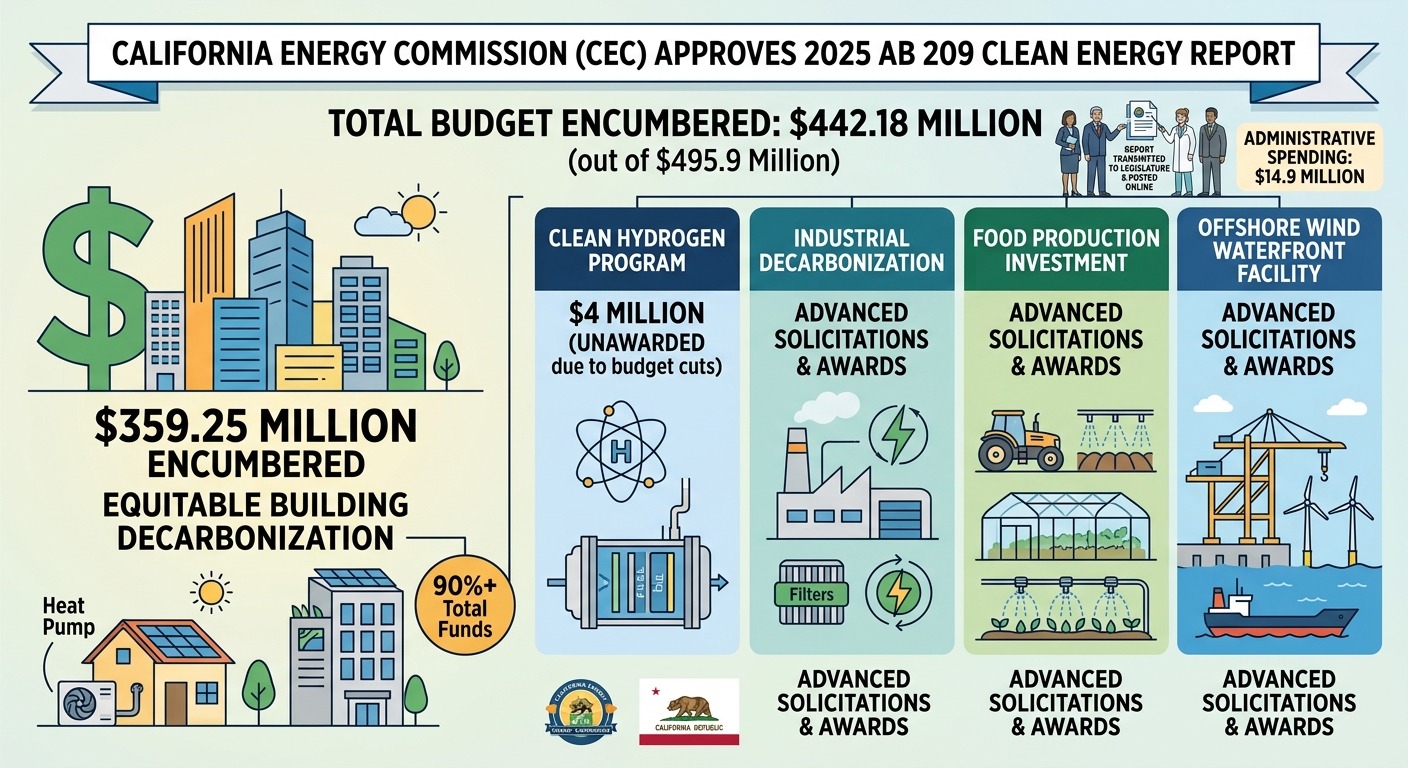
The commission adopted its annual AB 209 report on Sept. 9 and directed staff to finalize it, send it to the Legislature and post it publicly.
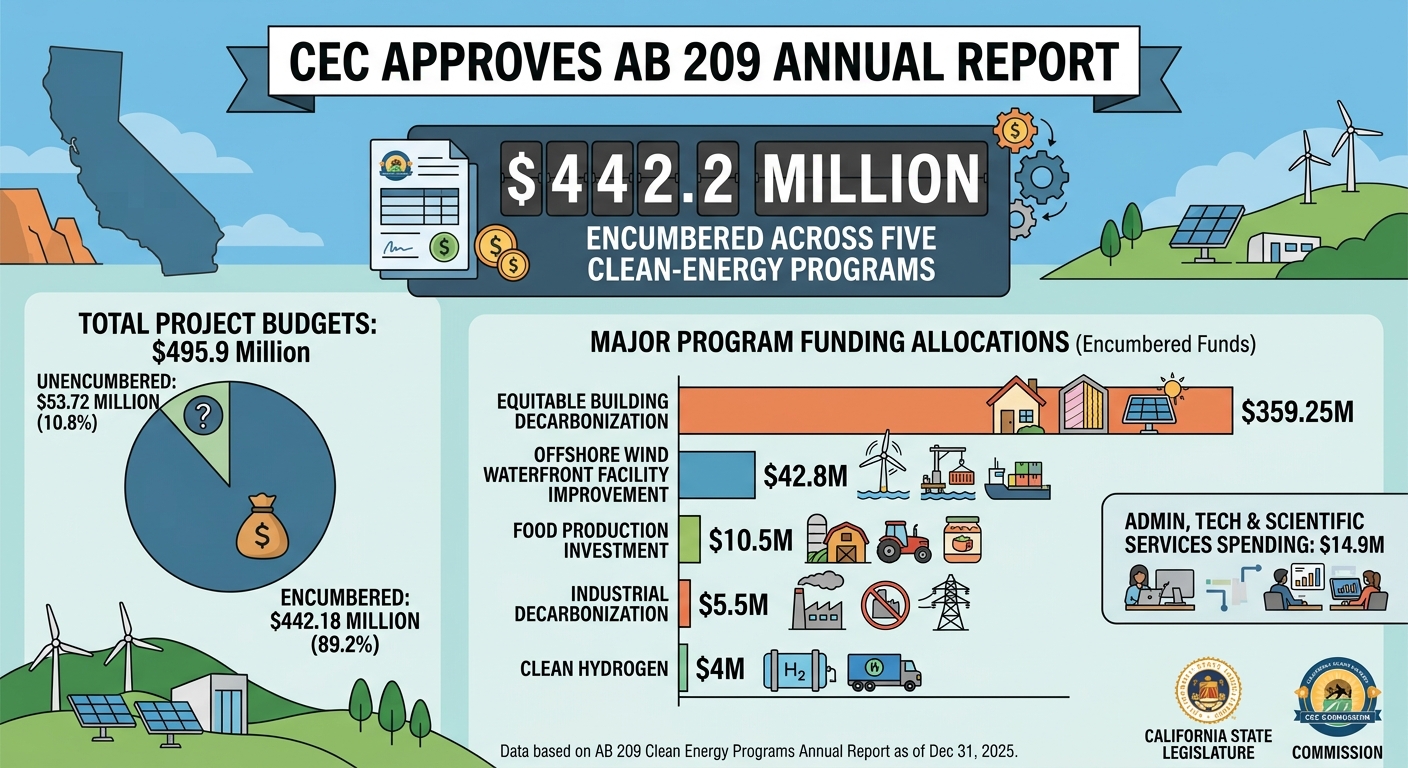
The commission approved the 2025 report at its Sept. 9 business meeting and directed staff to send it to the Legislature and post it publicly.
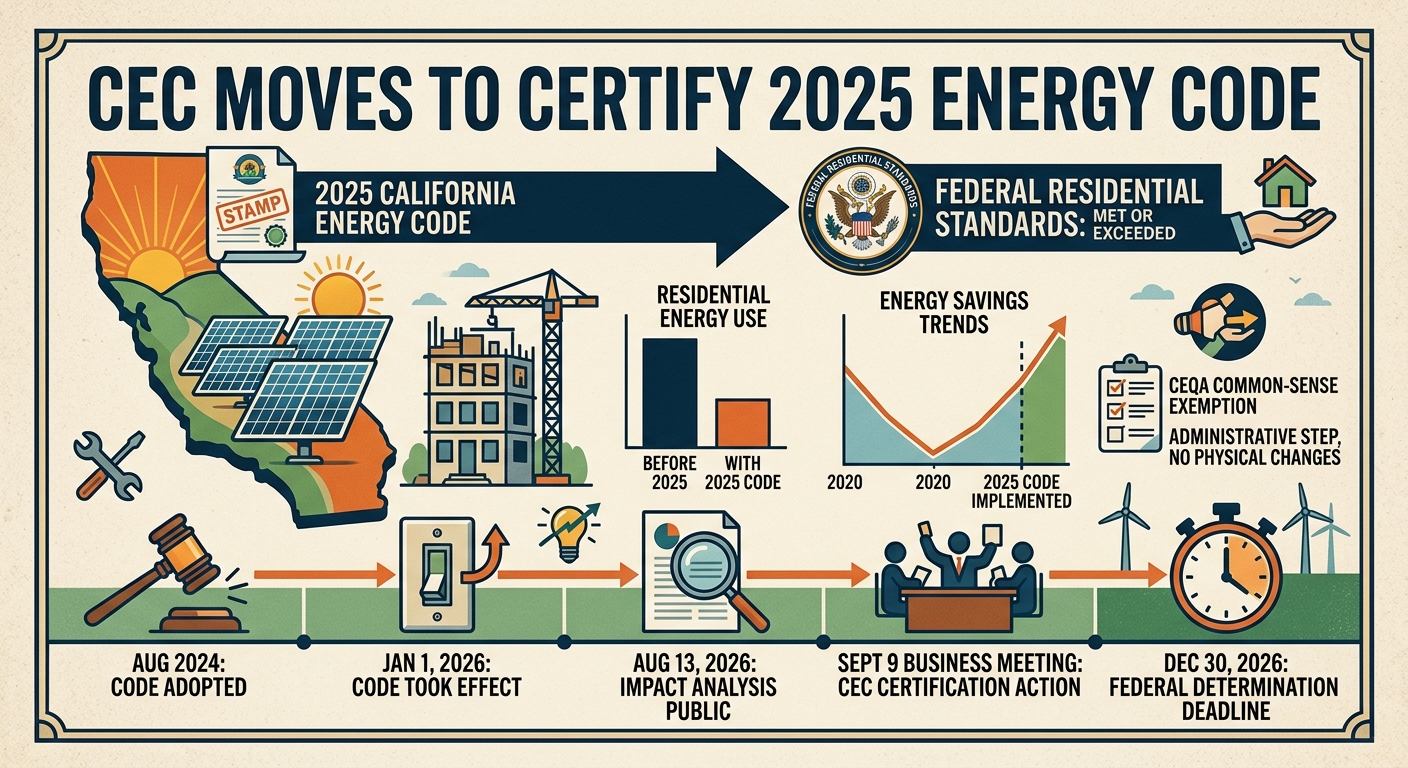
Commission materials say California must certify by Dec. 30 that the code meets or exceeds the 2024 IECC for residential buildings.
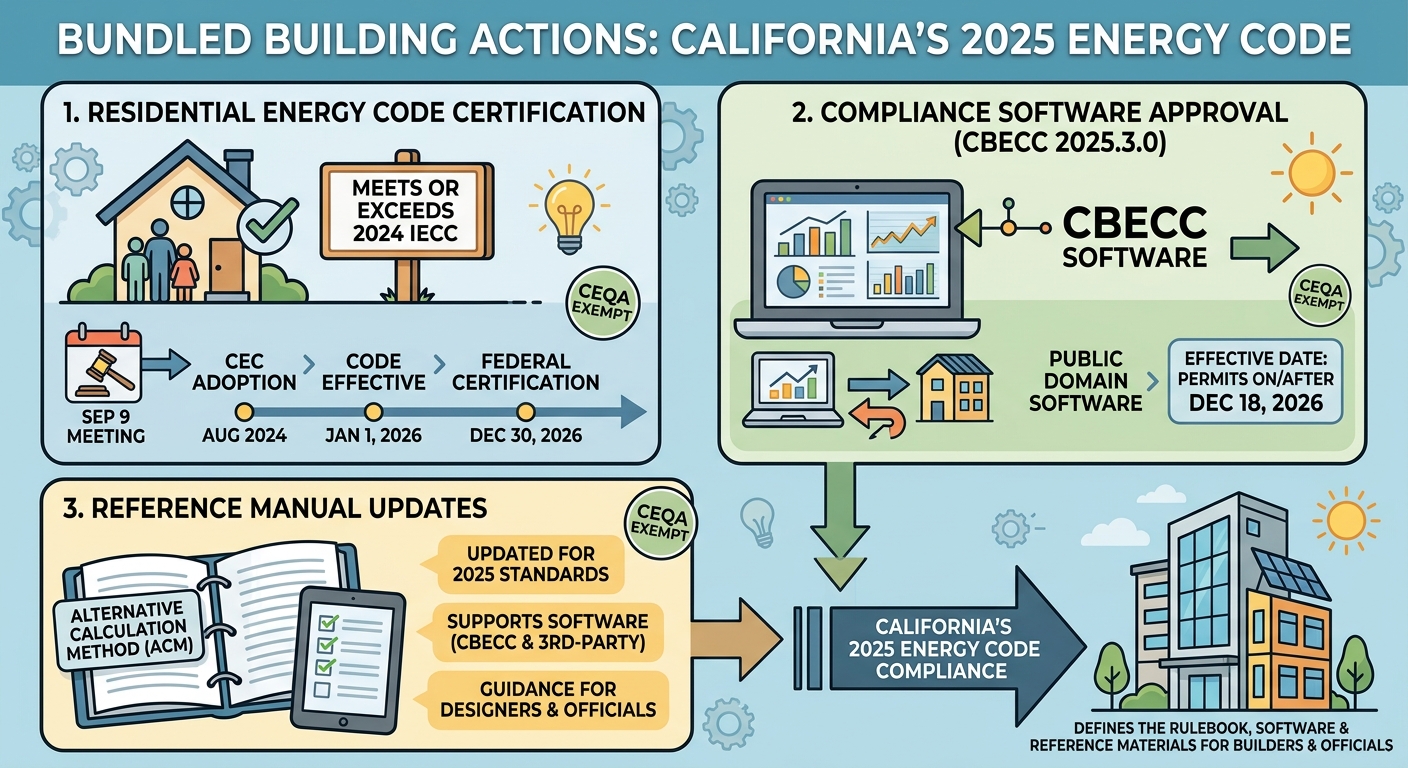
Sept. 9 meeting materials link a residential certification finding, CBECC 2025.3.0 and an ACM manual update, all tied to California’s 2025 Energy Code.
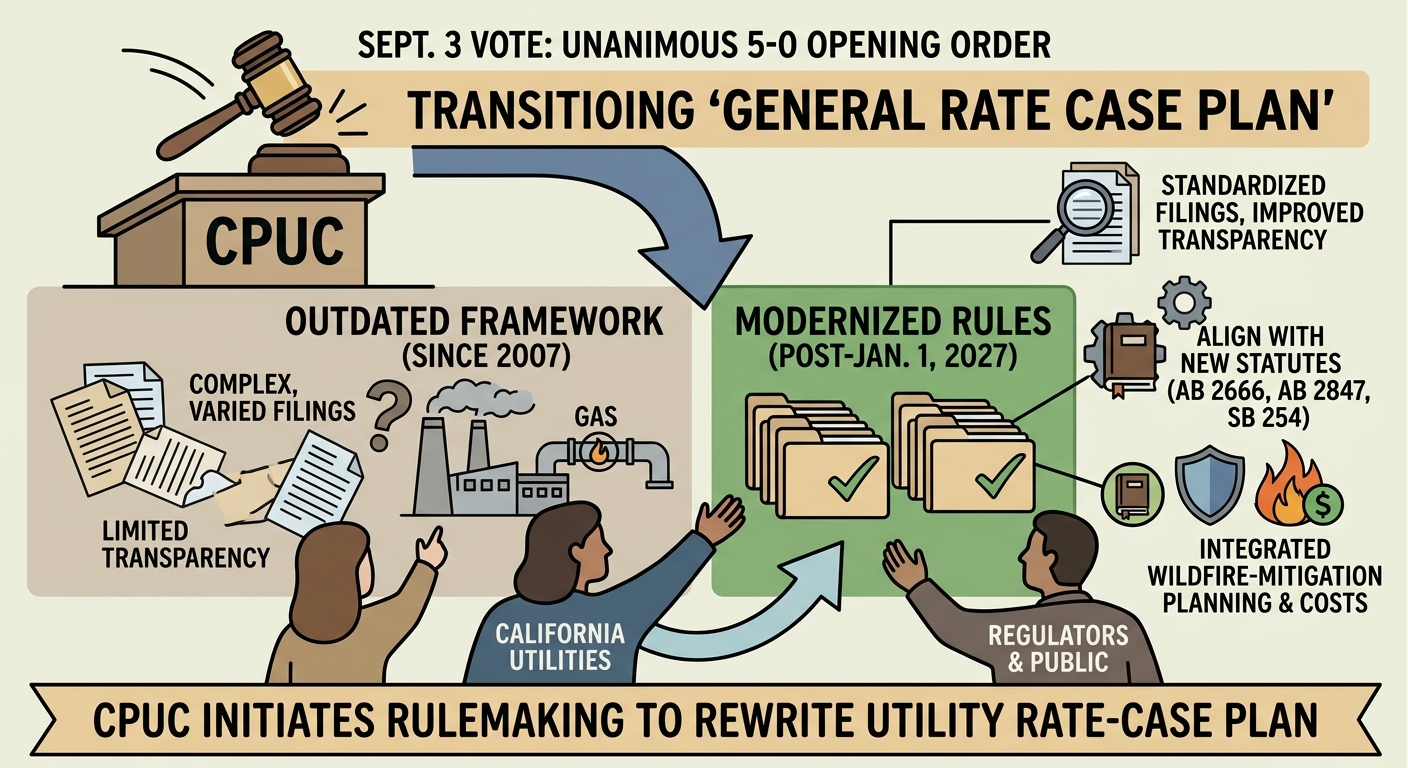
The commission unanimously voted to rewrite its General Rate Case Plan, a framework officials said has not been comprehensively updated since 2007.
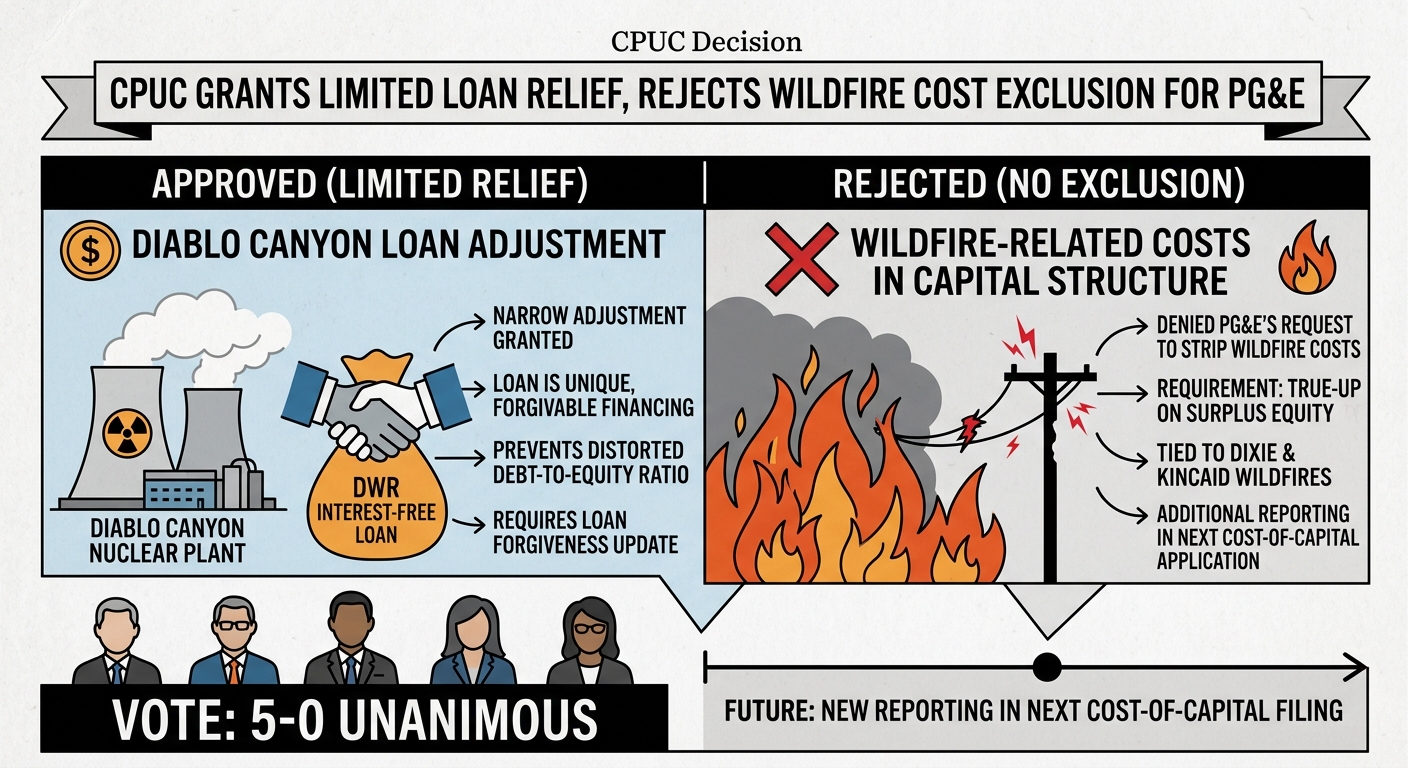
The commission voted 5-0 to approve an alternate decision that narrows PG&E’s capital-structure treatment while keeping wildfire-related costs in scope for regulators.
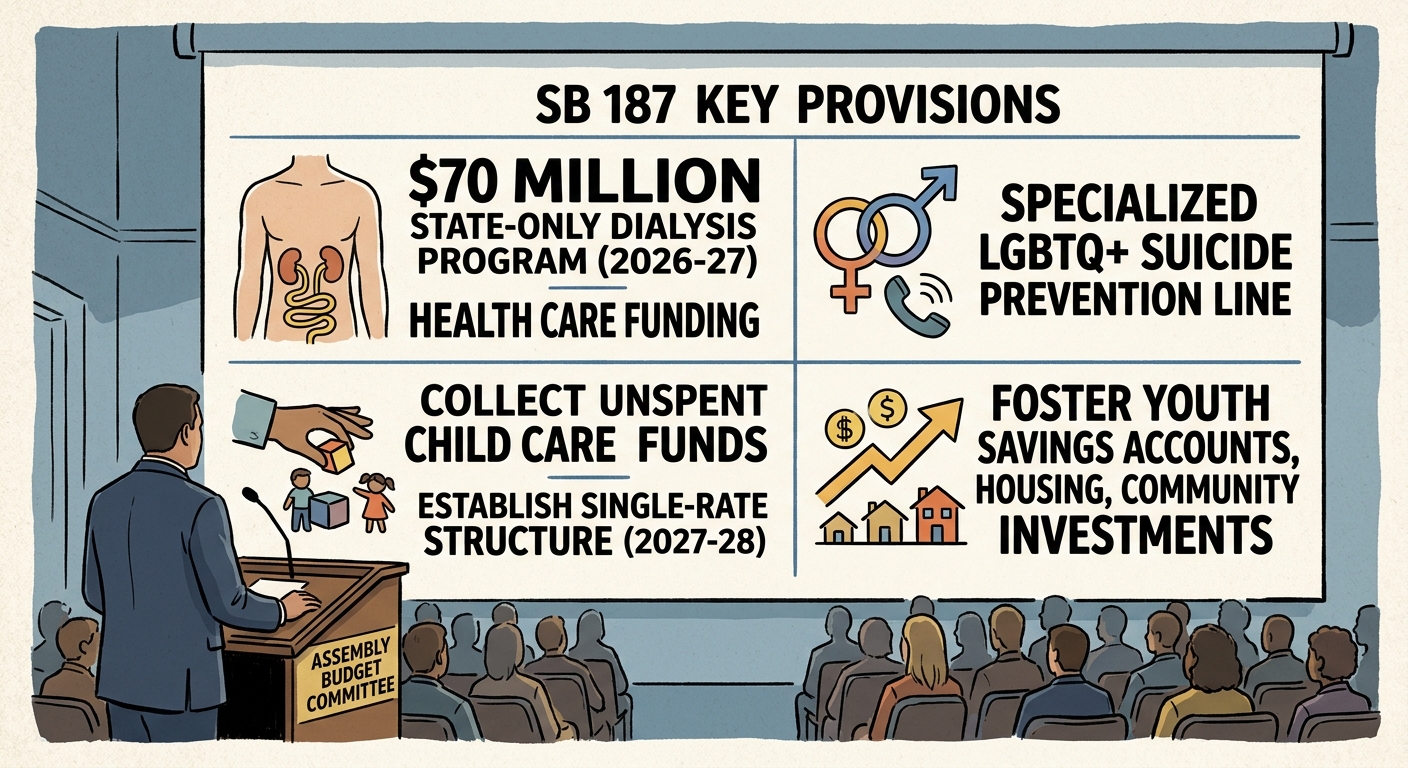
Late-night testimony on Aug. 30 described SB 187 as a budget bill with a $70 million dialysis program, child care reporting changes and a specialized LGBTQ+ suicide prevention line process.
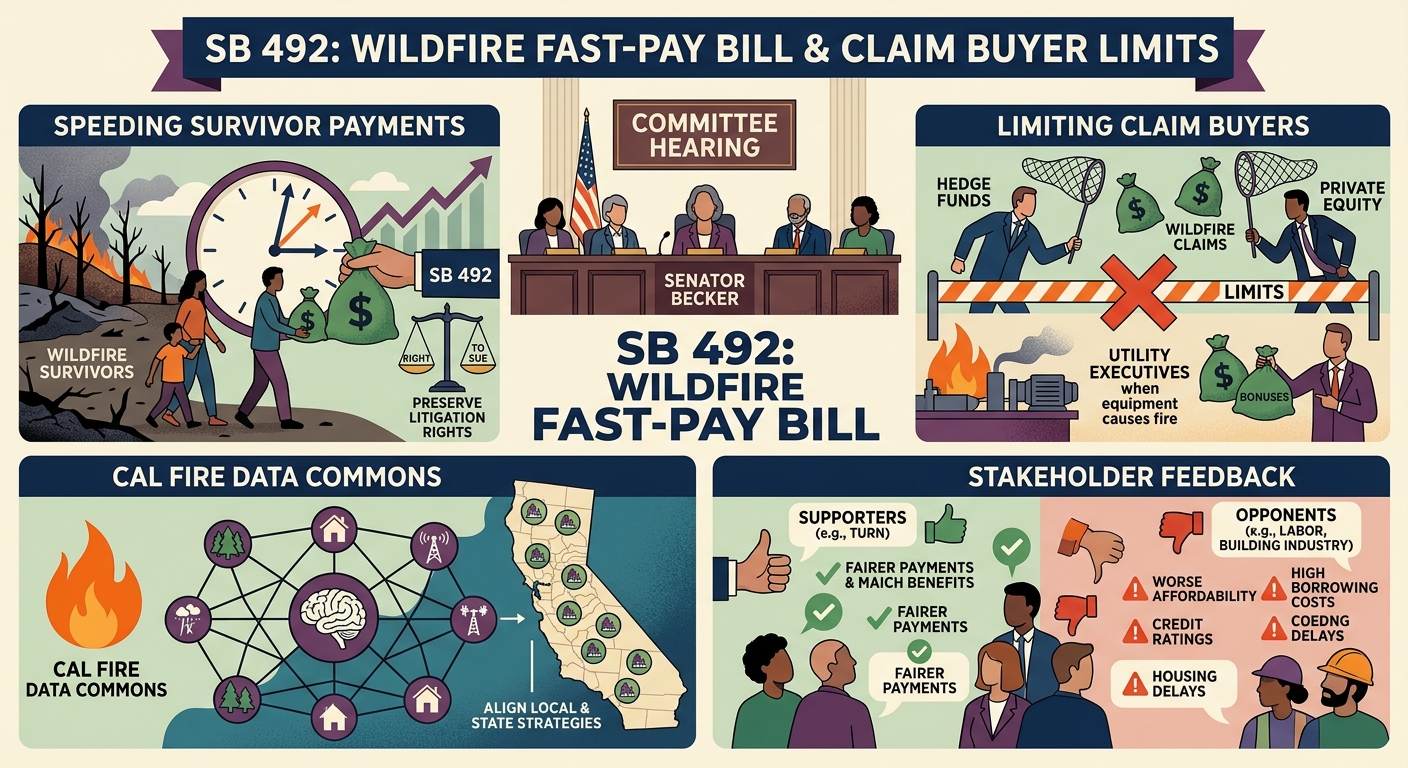
SB 492 would speed payments to wildfire survivors, preserve the right to sue and curb hedge-fund and private-equity purchases of claims, Sen. Becker said at an Aug. 31 hearing.
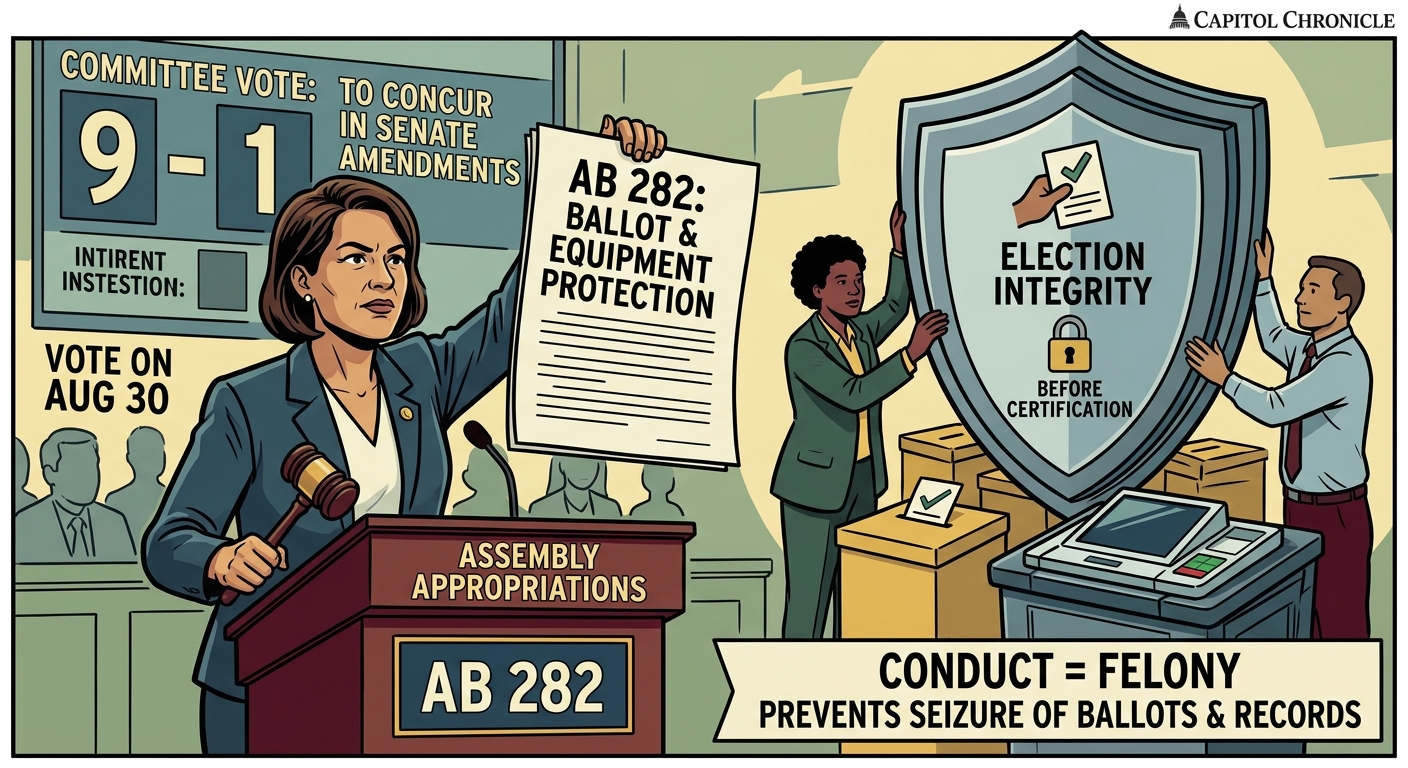
The committee voted 9-1 to concur in Senate amendments on the election-security bill, which would criminalize seizure of ballots, election records and certified voting technology before results are certified.